Avi Santoso Focuses on Finance Automation Research in Q3 2026
Explore Avi Santoso’s Q3 2026 research on accounts payable, bookkeeping automation, and finance workflows, drawing on the last decade in software.
Article Summary
- 01
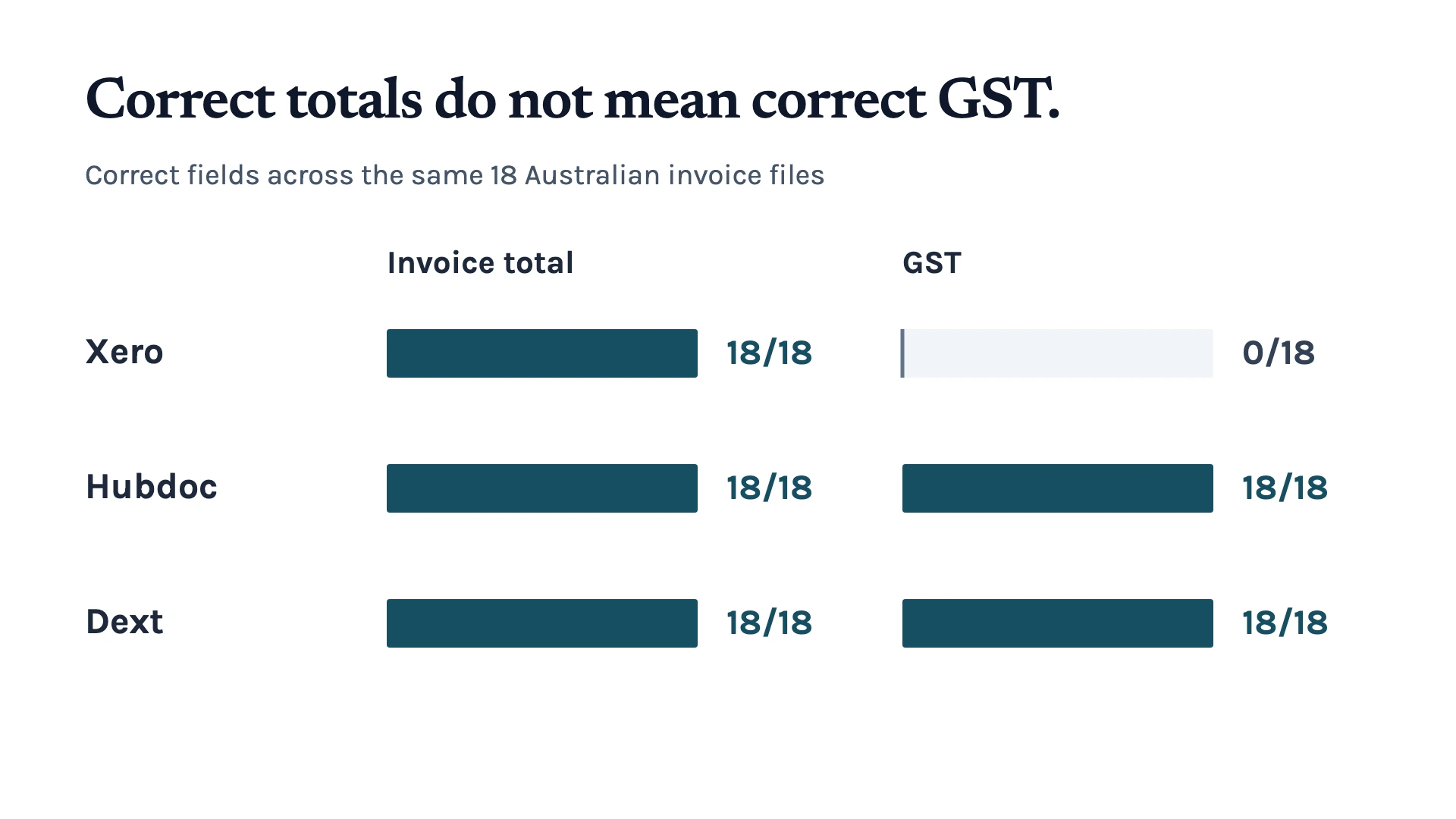
Avi Santoso tested 20 invoice files across Xero, Hubdoc and Dext. Correct Australian invoice totals did not guarantee correct GST, due dates or currency.
- 02
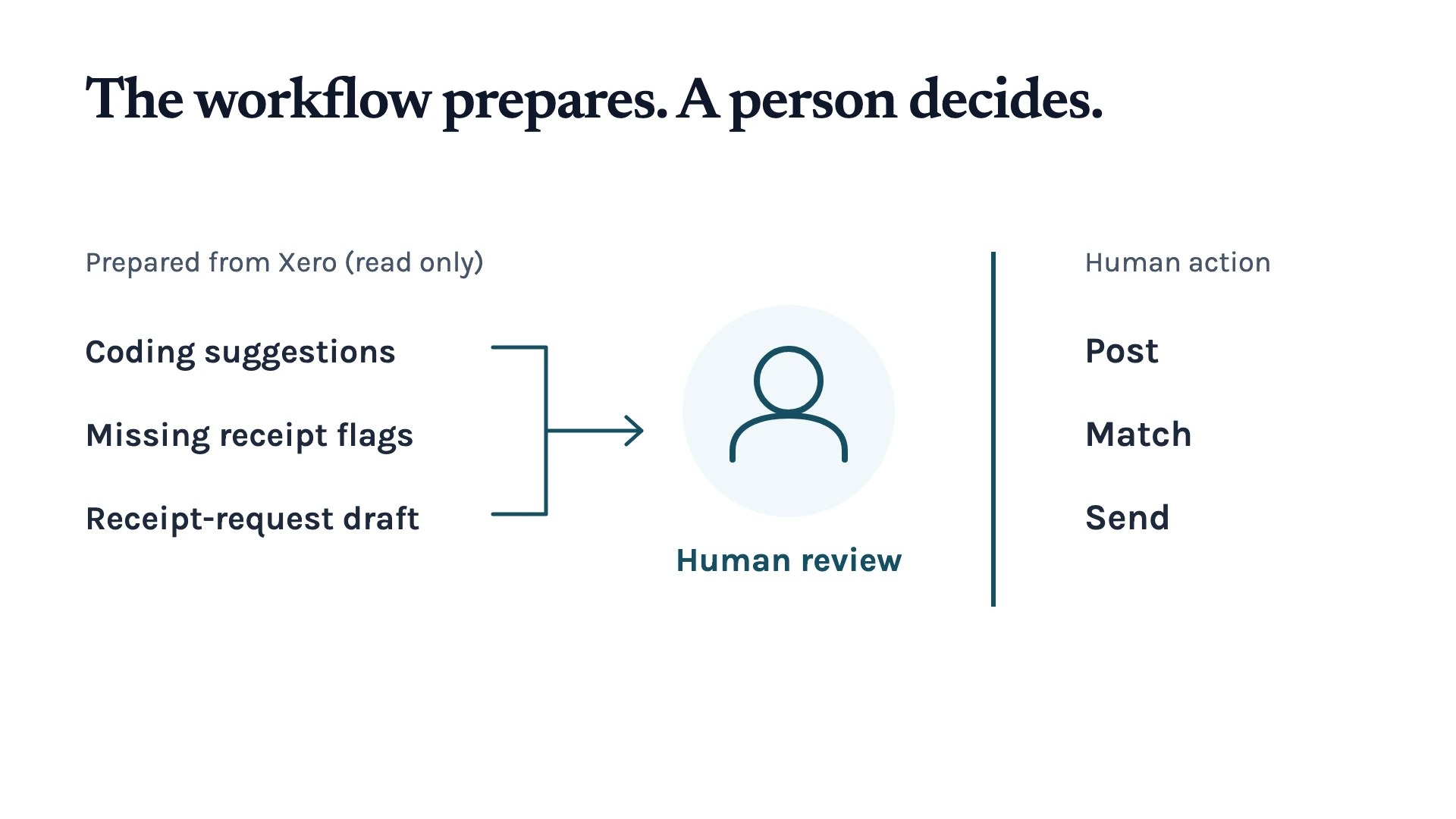
The Xero bookkeeping demonstration prepared coding suggestions and document-request drafts for human review without automatically posting or matching transactions.
- 03
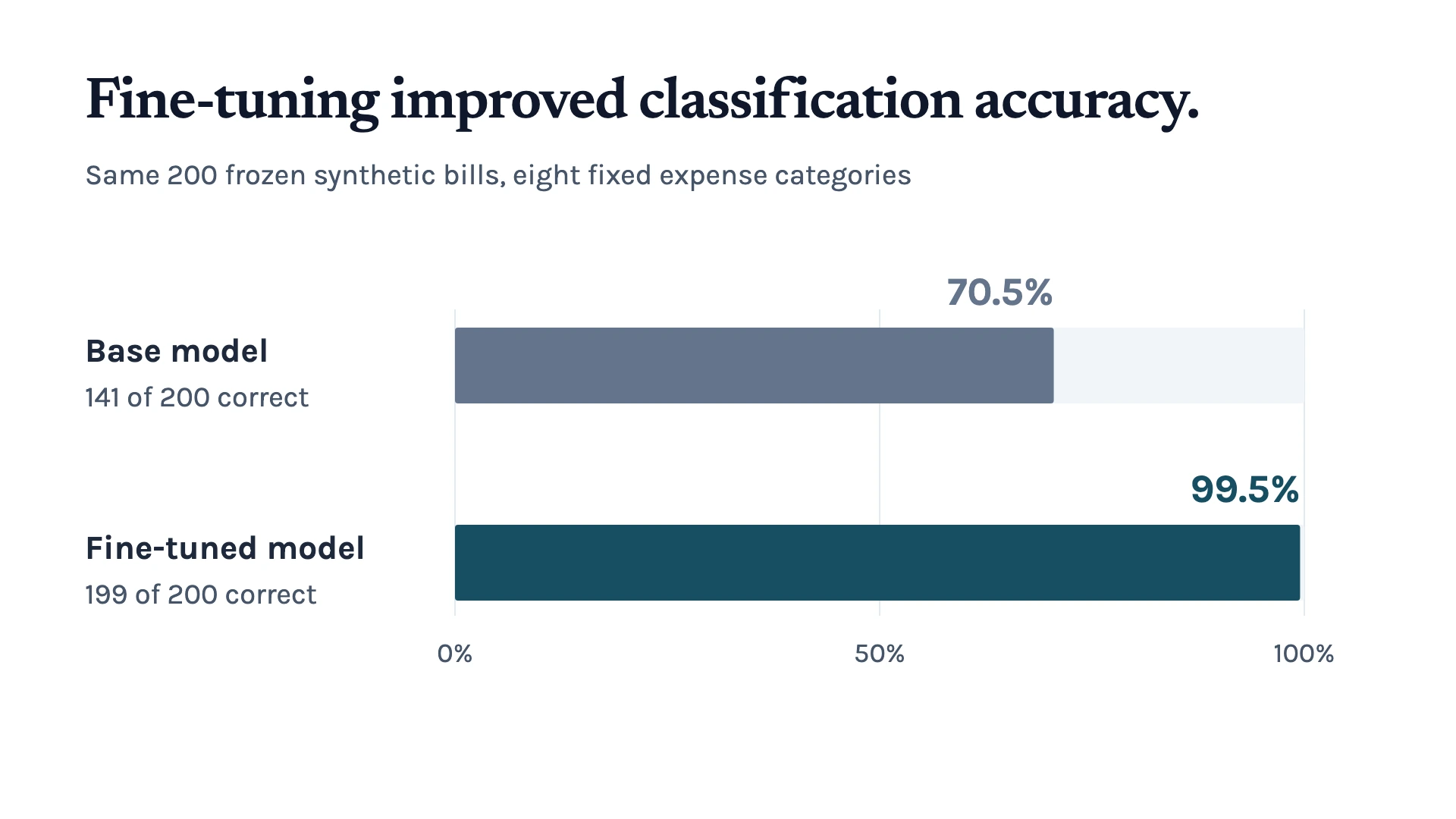
In a controlled test with 200 frozen synthetic bills and eight fixed expense categories, local AI classification accuracy increased from 70.5% to 99.5% after fine-tuning.
PERTH, Australia — October 2026 — Drawing on the last decade of software experience, Avi Santoso has made it his business to focus on the practical side of automation. The Perth-based consultant dedicated the third quarter of 2026 to one question: how can companies use artificial intelligence (AI) and better design to improve their finance workflows?
Santoso’s published research attempts to answer that by examining the real-world challenges of accounts payable and bookkeeping automation. He isn't interested in theory alone; his work focuses on what can be measured, where the technical limits lie, and the need for human oversight.
“Which tasks can you automate with any reliability, and what checks are in place before you trust the output?” is the kind of problem businesses face as they bring AI on board, and Santoso draws on his software engineering pedigree to answer it.
From Software Engineering to Finance Automation Research
Over the last decade, Santoso has built systems for Australia's mining and resources sector. His resume includes work on platforms for the likes of BHP, Rio Tinto, Woodside and Minerva. Avi Santoso has also helped lead engineering teams and taught more than 100 students the ins and outs of software engineering and cybersecurity in bootcamps run by the University of Western Australia and the University of Adelaide. 1
In the latter half of 2026, he has put together a consultancy with a sharper focus on automation for small and medium-sized enterprises. It is grounded in a simple rule of software engineering: judge a system by the task it is supposed to do. You cannot simply remove manual steps and call it a day; one must understand exceptions and know when a person has to take the reins.
Three Research Investigations Into Finance Automation
Take one of his key Q3 publications, “Xero, Hubdoc and Dext: How Accurate Are Automated Invoice Processing Systems?” In it, Santoso put 20 invoice files through their paces on all three tools, using everything from digital PDFs to scan-like images of the same documents. 2
While each program totalled the 18 Australian invoices correctly, the rest of the data told a different story. Xero failed to pick up the GST value on any of the 18, whereas Hubdoc and Dext got them all right. Due dates and purchase lines also varied, and on an overseas invoice, all three tools recorded the Australian-dollar reference instead of the Japanese-yen payment amount. 2 This is enough evidence that an accounts payable system needs more than a glance at the final figure to be useful.
Then there is “Different Bookkeepers May Make Different Calls: It’s Time to Automate Your Workflow”. Here he tested a read-only workflow with Xero and Codex. The system suggested account codes, flagged missing receipts, and drafted an email for supporting documents. In one demonstration, Santoso estimated that the review task fell from about an hour to about five minutes. But the workflow did not post or match anything automatically; the human operator made those decisions. 3
In another experiment detailed in “Fine-Tuning Local AI for Finance Teams With Unsloth Desktop”, he fine-tuned a Llama 3.1 8B model on 600 synthetic supplier-bill examples, with 200 validation examples and 200 separate frozen test examples. Classification accuracy across eight fixed expense categories went from 70.5% to 99.5% on the test set. 4 It is a case study in how a smaller model can be used in a narrow finance application while keeping the data local.
Beyond Bookkeeping: Improving the Systems Around the Work
His September output has also covered ground on Google Drive document control and the triage of email. One piece of research examined how AI might surface a file that looks relevant but isn't the current or approved version. 5 Another considered how to sort incoming mail into a work list with suggested actions for review. 6
Both point to the fact that good automation depends on clear rules and reliable information, not just a capable AI model.
Choosing the Right Starting Point for Finance Automation
Where does one start? It is often the first question on the mind of a business looking to automate. To try and put an entire finance function on autopilot in one go is to invite needless complexity, especially if you are dealing with opaque processes or ones that rely on manual data transfer from system to system.
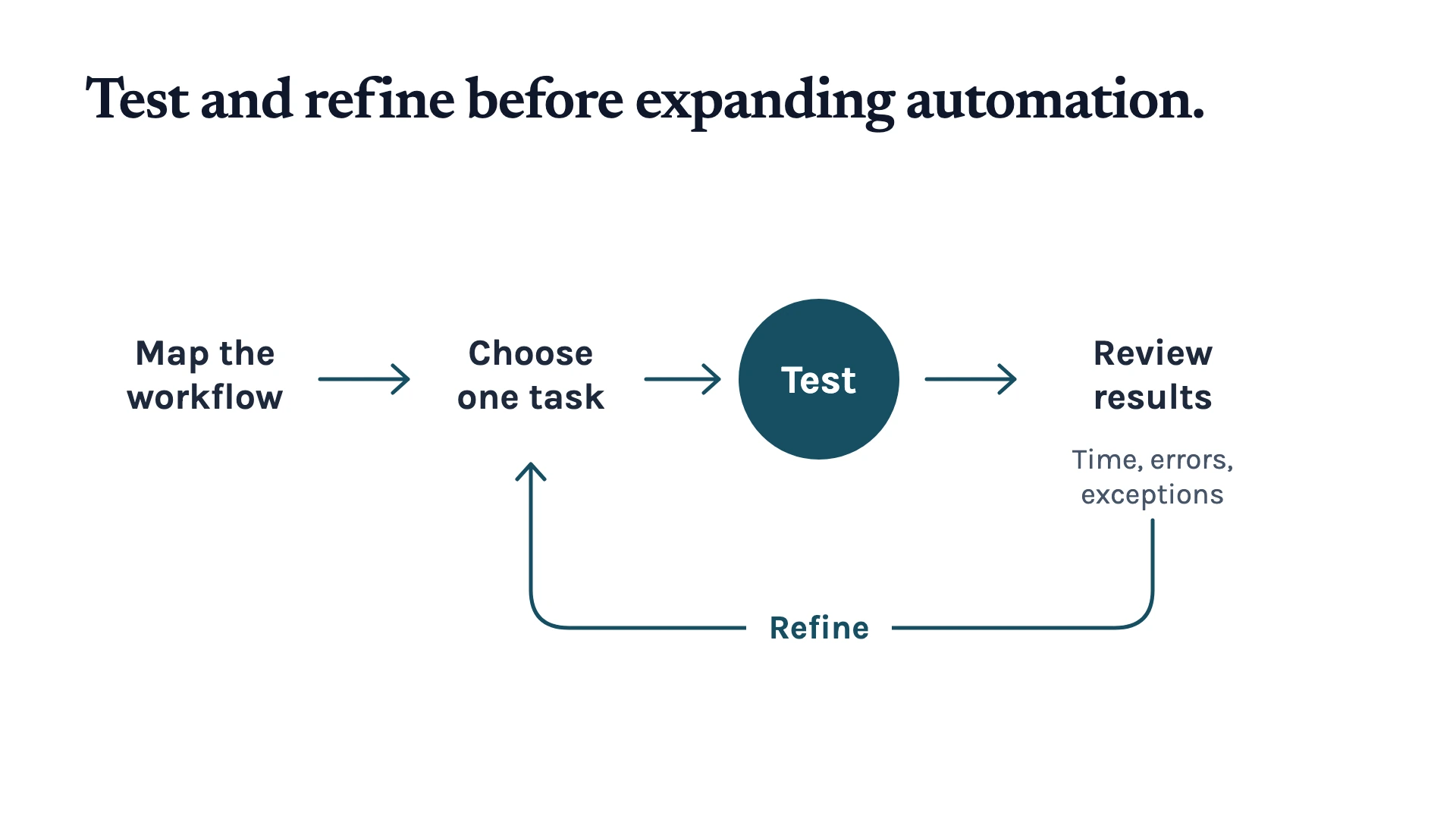
Avi Santoso’s work on finance workflow automation offers a more measured way forward. In his guide, Finance Automation: Where to Start When Everything Feels Manual, he offers practical advice: understand the workflow, pinpoint the problem, and select a task to test based on clear criteria. The idea is simple: technology should solve an operational issue, not create another source of complication.
Santoso explains how companies can eliminate repetitive labour and process flaws. For a bookkeeping practice, this could mean tracking down clients for missing receipts or coding transactions done by hand time and again. An accounts payable department might look to cut down on the hours put into moving invoice details and get bills ready for sign-off. The requirements will vary, but well-defined steps and outcomes add value.
A good place to start is to put pen to paper on how things are done now: who is involved, what software is in use, and where delays occur. With those particulars in hand, it is easier to judge whether an AI workflow or a bit of software integration is called for.
Why Process Design Matters as Much as AI
Process improvement starts with checking the workflow before adding automation. If a company has incomplete supplier files or ambiguity about who has approval authority, bringing in AI may only speed up the problem. As Santoso points out in his guide to finance team workflow problems, the end result can be hard to spot because the process looks automated even if the underlying information is suspect.
Indicators like missed deadlines or an over-reliance on a single employee for specialised knowledge suggest the process needs attention before you add more automation. Some straightforward improvements will do: name an owner for every task, set a standard for requesting documents, and make exceptions visible. This gives the software rules to follow and lets people know when they need to step in.
It is all very relevant to bookkeeping automation. A system might flag a missing receipt or put forward an expense account, but it requires the right data to do so. If the evidence is thin or the transaction is odd, the workflow should show its uncertainty rather than take every suggestion as a command to go ahead.
Building Reliable Controls Into Automated Finance Workflows
Getting it right isn't the only concern; you must also consider permissions, audit trails, and what happens when a result is wrong. An automation that generates a draft carries a different level of risk than one that can authorise a payment.
Take Santoso’s research on automated invoice processing. You may have the total correct, but the GST or currency could be off. A proper review checks the key fields against the original before passing the bill on. He makes a similar point in his research, Google Drive Automation Needs Document Control: locating a file in an AI-assisted system is not the same as verifying it is the approved version. A document register and the right permissions tell the workflow which source to trust.
For those in accounts payable automation, keep these in mind when designing approvals. A sound workflow leaves no doubt as to what the system has verified and who is on the hook for an exception.
Measuring Results Before Expanding Automation
Then there is the question of value. Time saved is a handy metric but not the only one. If a faster process brings more coding mistakes or requires extra oversight, the expected gains won't materialise.
A fuller picture would include the number of unresolved exceptions, how many records need correcting and whether the output is consistent regardless of the supplier or document type. What matters is the task at hand.
This is the tenor of Santoso’s research: test a workflow, note the limitations and refine it. His local AI experiment for finance teams is a case in point; the controlled results show why it is better to evaluate a model on a specific classification task than to assume general accounting accuracy.
As a finance workflow automation consultant, this kind of evaluation is what allows for sensible recommendations and tells apart a job for rule-based automation from one that still needs human judgement. By way of his process analysis and documented experiments, Santoso is building a body of work to help organisations make better choices about their finance operations, without viewing automation as an end in itself.
Exploring the Next Stage of Finance Workflow Automation
Santoso’s studies follow a pattern: test a solution against a specific problem, document its limitations, and decide what is needed for dependable use. For a business looking to standardise its bookkeeping or validate an invoice, this means not ceding accounting judgement to the machine.
As a finance workflow automation consultant, he is putting this research to work for clients to unblock manual processes and see where existing software can be of some practical value. Those who want to go over the methods and findings can do so in the Avi Santoso research library, or for more on what is to come, at avisantoso.com.
References
- Santoso, A. (2026). Avi Santoso: Better Finance Operations. Avi Santoso. https://www.avisantoso.com/
- Santoso, A. (2026). Xero, Hubdoc and Dext: How Accurate Are Automated Invoice Processing Systems? Avi Santoso. https://www.avisantoso.com/research/2026-09-xero-hubdoc-dext-how-accurate-are-automated-invoice-processing-systems
- Santoso, A. (2026). Different Bookkeepers May Make Different Calls: It’s Time to Automate Your Workflow. Avi Santoso. https://www.avisantoso.com/research/2026-08-automated-bookkeeping-workflow
- Santoso, A. (2026). Fine-Tuning Local AI for Finance Teams With Unsloth Desktop. Avi Santoso. https://www.avisantoso.com/research/2026-09-fine-tuning-local-ai-for-finance-teams-with-unsloth-desktop
- Santoso, A. (2026). Google Drive Automation Needs Document Control. Avi Santoso. https://www.avisantoso.com/research/2026-09-google-drive-automation-document-control
- Santoso, A. (2026). No More Spending Hours Sorting Emails With AI Workflow Automation. Avi Santoso. https://www.avisantoso.com/research/2026-09-no-more-spending-hours-sorting-emails-with-ai-workflow-automation
Keep up with what I'm working on
I'll send you occasional emails about new articles, tools and offers that could help with your business.